
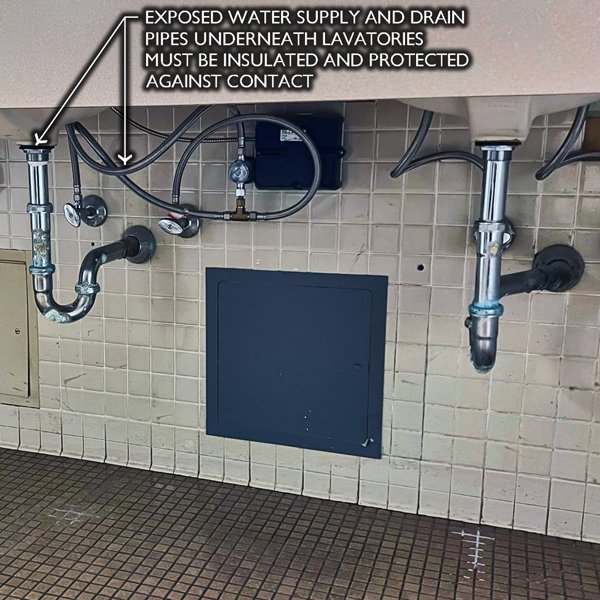
OVERVIEW
Exposed drain and water supply piping beneath accessible lavatories must be insulated or otherwise configured to protect against contact. During accessibility inspections across Texas, this is one of the most common deficiencies I encounter—and fortunately, one of the easiest to correct once you understand what the standards require.
WHY THIS REQUIREMENT EXISTS
The purpose of this requirement is to protect individuals from contact with hot or abrasive plumbing surfaces beneath accessible lavatories.
Some wheelchair users may have limited sensation in their legs and may not immediately realize that exposed piping is hot enough to cause burns. The standards therefore require the drain and water supply piping to be insulated or otherwise protected from contact.
There are two common methods of compliance:
Insulate the exposed drain and water supply piping.
Conceal the piping using a protective shroud or panel.
Both methods are acceptable when they adequately protect users from contact.
INSPECTION EXAMPLES

Insulated Piping
Both the drain and water supply piping are protected from contact. This installation complies with TAS 606.5.

Protective Shroud
The plumbing is enclosed, eliminating exposed piping beneath the lavatory.
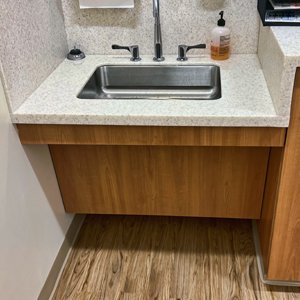
Protective Panel
This is one of the most common solutions used in commercial buildings. The plumbing is completely concealed while maintaining the required knee and toe clearance.

Incomplete Insulation
The drain insulation does not extend high enough and portions of the water supply piping remain exposed.

Missing Protection
The protective panel has been removed, leaving the plumbing exposed.
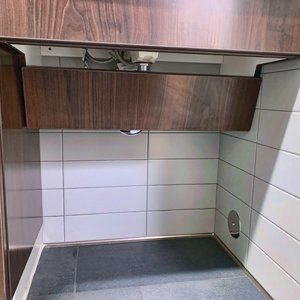
Partial Protection
The panel protects part of the plumbing, but exposed piping remains below. Would you consider this compliant, or would you note it as a deficiency during an inspection?
TAS REQUIREMENT
606.5 Exposed Pipes and Surfaces. Water supply and drain pipes under lavatories and sinks shall be insulated or otherwise configured to protect against contact. There shall be no sharp or abrasive surfaces under lavatories and sinks.
IN PLAIN ENGLISH
If someone using the sink could accidentally touch the plumbing underneath, those pipes must either be insulated or covered so they cannot cause burns or injuries.
QUESTIONS OR COMMENTS?
Have you encountered a unique installation or are you unsure whether something complies?
Leave a comment below or send me an email. If your question involves a specific project, feel free to include a photograph or drawing.
Clint Ryan, RAS 1333